Invited Talks

Invited speaker information is organized by IEDMS 2026 technical track. Session details will be updated as they are confirmed.

Track A: Emerging Devices, Logic, and Memory Technologies
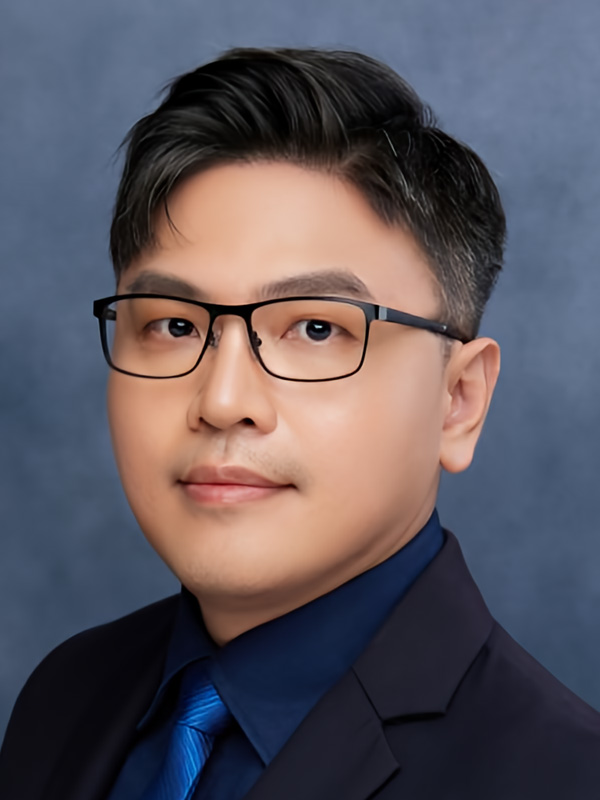
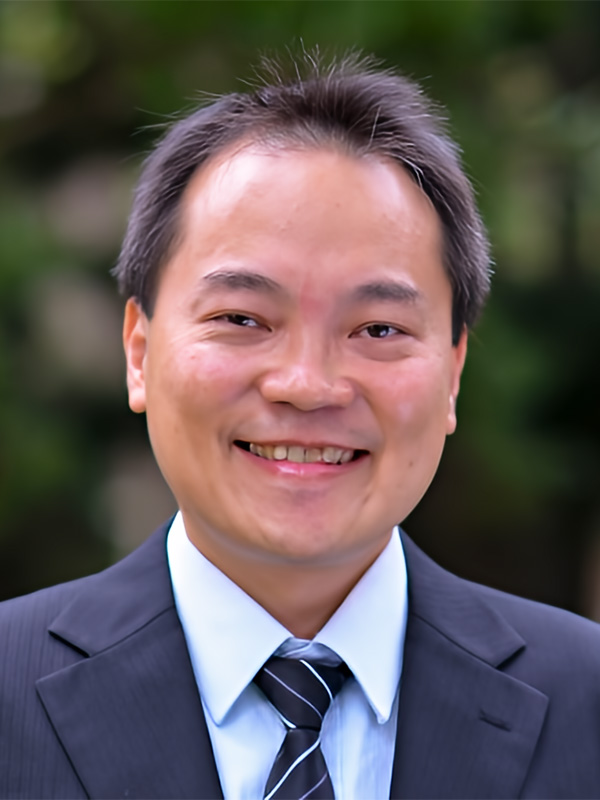
Yung-Chun Wu
Track A-1

(TBD)

Yung-Chun Wu
Professor
Department of Engineering and System Science, National Tsing Hua University


  • Date: (TBD)
  • Time: (TBD)
  • Location: (TBD)
Abstract:

(TBD)

Biography:

Professor Yung-Chun Wu is a faculty member in the Department of Engineering and System Science at National Tsing Hua University. His professional interests include nanoelectronic devices, flash memory devices, solar cells, advanced thin-film transistors, and optoelectronic semiconductor nanodevices.

Speaker profile
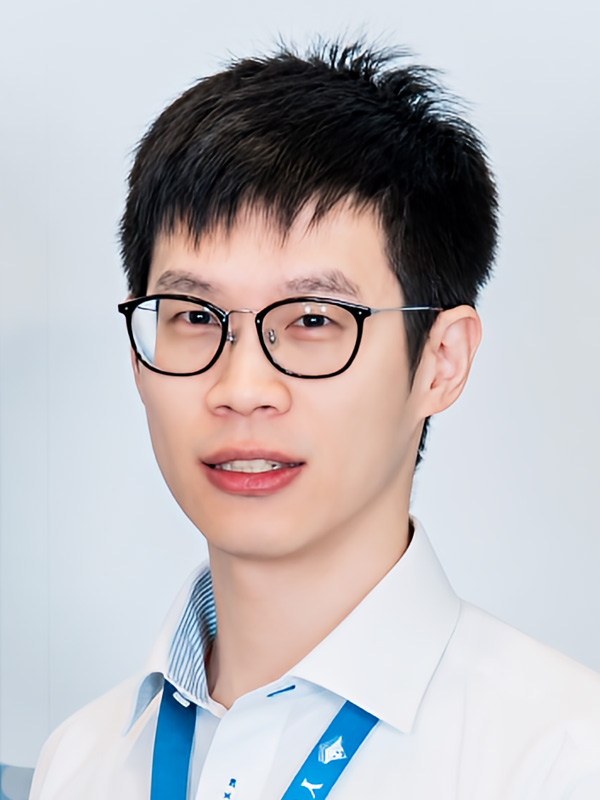
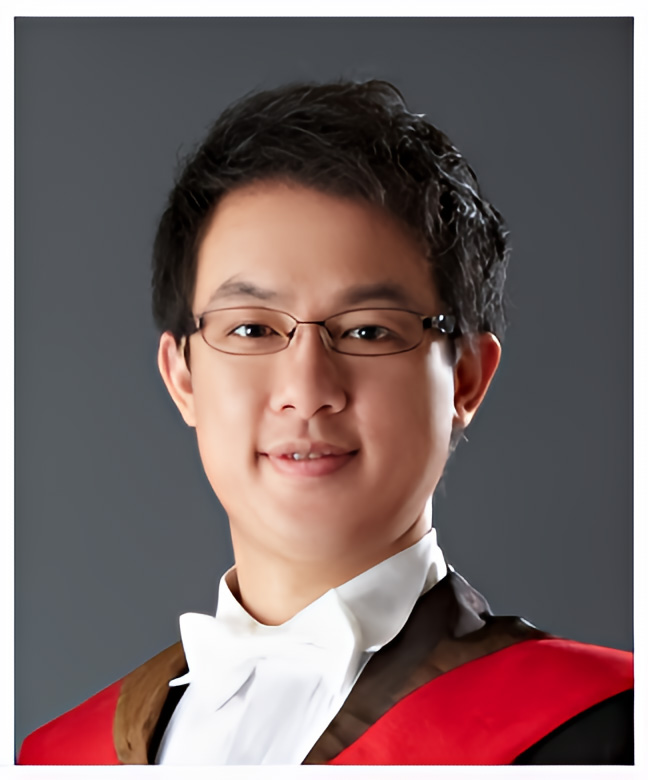
Yu-Chuan Lin
Track A-2

(TBD)

Yu-Chuan Lin
Assistant Professor
Department of Materials Science and Engineering, National Yang Ming Chiao Tung University


  • Date: (TBD)
  • Time: (TBD)
  • Location: (TBD)
Abstract:

(TBD)

Biography:

Professor Yu-Chuan Lin leads YCLab for 2D Materials at National Yang Ming Chiao Tung University. His background includes epitaxial growth and devices of two-dimensional materials, postdoctoral work at Oak Ridge National Laboratory, and research on synthesis, processing, and characterization of electronic materials.

Speaker profile
Track B: High-Frequency and Power Devices, and Compound Semiconductor Technologies
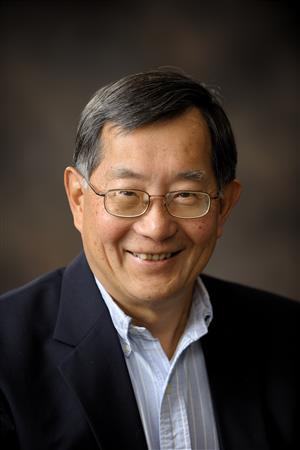
Milton Feng
Track B-1

(TBD)

Milton Feng
Nick Holonyak, Jr. Endowed Chair Emeritus
Electrical and Computer Engineering, University of Illinois Urbana-Champaign


  • Date: (TBD)
  • Time: (TBD)
  • Location: (TBD)
Abstract:

(TBD)

Biography:

Professor Milton Feng is a leading researcher in high-speed semiconductor devices and integrated circuits. His work spans transistor lasers, III-V semiconductor electronics, THz transistor research, high-speed lasers, mixed-signal ICs, and photonic integrated circuits.

Speaker profile
John Dallesasse
Track B-2

(TBD)

John Dallesasse
Professor
Electrical and Computer Engineering, University of Illinois Urbana-Champaign


  • Date: (TBD)
  • Time: (TBD)
  • Location: (TBD)
Abstract:

(TBD)

Biography:

Professor John Dallesasse has extensive experience in optoelectronics, compound semiconductor devices, and photonic integrated circuits. His technical contributions include III-V oxidation technology for high-speed VCSEL fabrication and silicon photonics integration.

Speaker profile
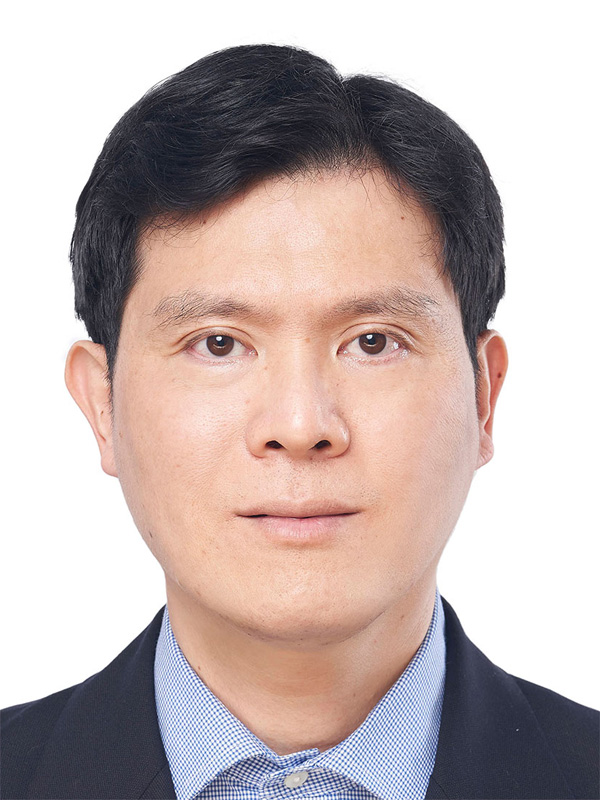
Kung-Yen Lee
Track B-3

(TBD)

Kung-Yen Lee
Professor
Department of Engineering Science and Ocean Engineering, National Taiwan University


  • Date: (TBD)
  • Time: (TBD)
  • Location: (TBD)
Abstract:

(TBD)

Biography:

Professor Kung-Yen Lee works on power semiconductor devices, renewable energy, power electronics, and wide-bandgap semiconductor materials. He leads research connected with high-power devices and circuits at National Taiwan University.

Speaker profile
Track C: Novel Materials, MEMS, Sensors, and Bio Technologies
Sheng-Shian Li
Track C-1

(TBD)

Sheng-Shian Li
Tsing Hua Chair Professor
Department of Power Mechanical Engineering, National Tsing Hua University


  • Date: (TBD)
  • Time: (TBD)
  • Location: (TBD)
Abstract:

(TBD)

Biography:

Professor Sheng-Shian Li received degrees in mechanical engineering from National Taiwan University and graduate degrees in electrical engineering and computer science from the University of Michigan. His work is connected with RF microsystems and MEMS/NEMS technologies.

Speaker profile
Bor-Ran Li
Track C-2

Wearable Sweat Sensing Technologies for Noninvasive Health Assessment and Disease Monitoring

Bor-Ran Li
Professor
Department of Electrical Engineering, National Yang Ming Chiao Tung University


  • Date: (TBD)
  • Time: (TBD)
  • Location: (TBD)
Abstract:

Non-invasive sweat glucose monitoring has emerged as a promising alternative to conventional blood glucose testing for continuous and patient-friendly health assessment. However, the clinical application of sweat-based glucose sensing remains challenging due to the complex relationship between sweat and blood glucose levels and the limited availability of clinical validation studies. In this presentation, we introduce a wearable sweat glucose biosensing platform combined with a personalized calibration strategy for estimating blood glucose levels without blood sampling. The system utilizes a simple and comfortable sweat collection approach and electrochemical sensing technology to quantify sweat glucose in real time. To establish individualized sweat-to-blood glucose relationships, personalized models were developed using paired sweat and blood glucose measurements. Clinical validation was conducted in eight hospitalized stroke patients, demonstrating that sweat glucose signals can be translated into clinically meaningful blood glucose estimates with high agreement to reference measurements. The study highlights the feasibility of sweat-based glucose monitoring in real-world clinical settings and demonstrates the potential of wearable sweat sensing technologies to support non-invasive glucose assessment, personalized healthcare, and future digital health applications.

Biography:

Bor-Ran Li is a Professor and Associate Director of the Institute of Intelligent Biomedical Engineering at National Yang Ming Chiao Tung University. His research focuses on microfluidics, biosensors, wearable healthcare devices, and intelligent biomedical systems, with applications in cancer diagnostics, reproductive medicine, and personalized healthcare. He has led the development of innovative lab-on-a-chip and point-of-care diagnostic technologies, integrating microfluidic engineering, sensor platforms, and artificial intelligence for biomedical analysis. Through extensive collaborations with academic institutions, hospitals, and industry partners, Prof. Li is dedicated to translating advanced biomedical technologies into practical healthcare solutions and advancing the field of intelligent medicine.

Speaker profile
Track D: Photonic Devices and Heterogeneous Integration Technologies
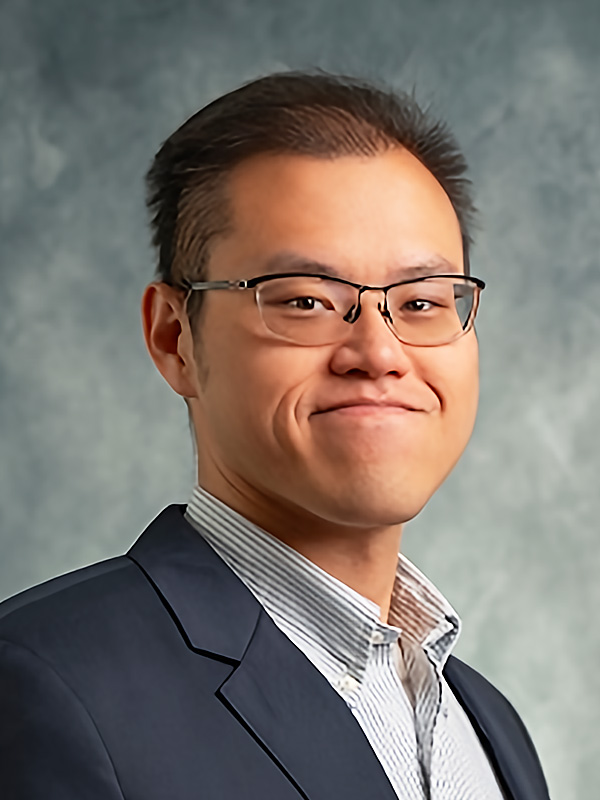
Matthew S. Wong
Track D-1

Development of Sidewall Treatment Methods for Sub-5 µm GaN-based µLEDs

Matthew S. Wong
Assistant Professor
Materials Science and Engineering, The University of Texas at Dallas


  • Date: (TBD)
  • Time: (TBD)
  • Location: (TBD)
Abstract:

GaN-based micro-light-emitting diodes (µLEDs) are attractive for high-resolution displays, optical interconnects, and emerging sensing applications, but their performance is strongly limited by plasma-induced sidewall damage. As device dimensions shrink, the increased surface-to-volume ratio enhances nonradiative recombination, leakage current, and efficiency degradation, making effective sidewall treatment essential. This work investigates wet-chemical sidewall treatment methods for nanoscale GaN structures. Nanorod test structures are used to evaluate the etching behavior, surface morphology evolution, and potential removal of damaged sidewall regions. The impact of treatment conditions on optical properties is examined using cathodoluminescence (CL) and photoluminescence (PL) measurements, enabling spatially resolved assessment of defect-related emission and radiative efficiency recovery. By correlating etch performance with CL and PL signatures, this study provides insight into sidewall damage mitigation mechanisms and establishes process guidelines for improving the performance of sub-5 µm GaN µLEDs.

Biography:

Dr. Matthew Wong is an Assistant Professor in the Department of Materials Science and Engineering at the University of Texas at Dallas. His research focuses on wide-bandgap semiconductor materials and devices, with emphasis on GaN-based microLEDs, laser diodes, and optoelectronic characterization. He received his Ph.D. from the University of California, Santa Barbara, where he worked on III-nitride optoelectronic devices.

Speaker profile
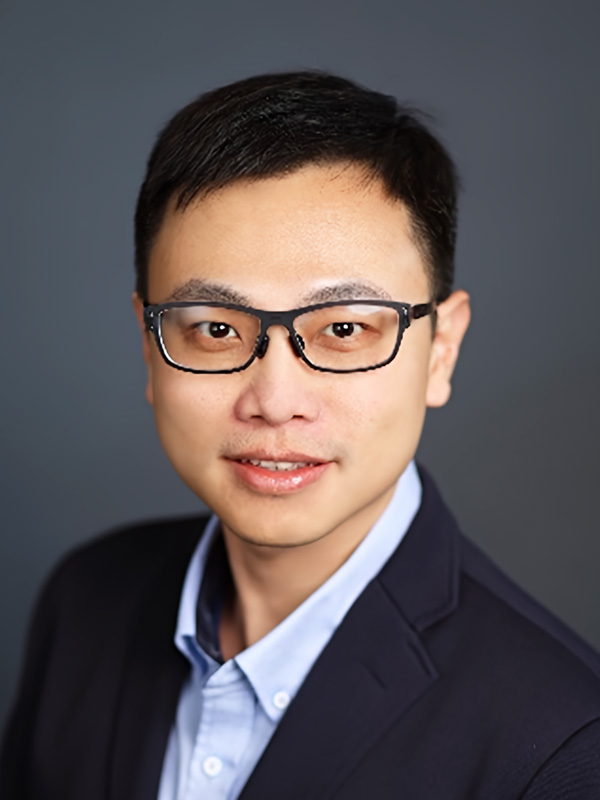
Pei-Hsun Wang
Track D-2

Low-Temperature Photonics for Co-Packaged Optics (CPO) Integration

Pei-Hsun Wang
Associate Professor
International College of Semiconductor Technology, National Yang Ming Chiao Tung University


  • Date: (TBD)
  • Time: (TBD)
  • Location: (TBD)
Abstract:

The rapid growth of data traffic in high‑performance computing and cloud infrastructures has driven the demand for energy‑efficient, high‑bandwidth optical interconnects. Co‑packaged optics (CPO) has emerged as a promising solution, enabling tight integration of photonic and electronic components to overcome the limitations of traditional pluggable modules. However, conventional photonic fabrication processes often require high thermal budgets, which are incompatible with advanced packaging platforms and temperature‑sensitive substrates. This talk explores low‑temperature photonic integration on various interposers that support scalable CPO deployment. By leveraging deposition and processing techniques below 200 °C, compact and low‑loss photonic devices can be realized without compromising backend compatibility. Furthermore, heterogeneous integration approaches are discussed to enable hybrid material platforms for extended functionality. The proposed low‑temperature photonic processes highlight the potential of low‑temperature photonics as a critical enabler for next‑generation optical interconnects, offering a scalable route toward high‑performance, thermally compatible CPO systems.

Biography:

Pei-Hsun Wang is an associate professor in the Institute of Electronics at National Yang Ming Chiao Tung University (NYCU), Taiwan. He received the Ph.D. degree from the School of Electrical and Computer Engineering, Purdue University, USA, in 2016. During 2016-2019, he joined Taiwan Semiconductor Manufacturing Company (TSMC) as a principal engineer in R&D pathfinding, after which he joined Department of Optics and Photonics at National Central University in 2019 as an assistant professor and later International College of Semiconductor Technology at NYCU as an associate professor. His research interests currently include co-packaged optics, nano-photonics, semiconductor fabrication, silicon photonics, FMCW LiDAR, ultrafast and nonlinear photonics, and fiber communications. He has authored and co-authored over 36 journal papers, 60 conference papers, and 22 US patents in these emerging areas. He is a Senior Member of IEEE, and a Member of SPIE and Optica (formerly OSA) and received the Ta‑You Wu Memorial Award from Taiwan’s National Science and Technology Council (NSTC) in 2026.

Speaker profile
Yao-Wei Huang
Track D-3

Integrated Metasurface–PCSEL Photonic Devices for Compact 3D Vision

Yao-Wei Huang
Associate Professor
Department of Photonics, National Yang Ming Chiao Tung University


  • Date: (TBD)
  • Time: (TBD)
  • Location: (TBD)
Abstract:

Miniaturized three-dimensional (3D) vision systems are becoming increasingly important for emerging applications in consumer electronics, machine vision, and wearable devices. However, conventional structured-light projectors based on vertical-cavity surface-emitting laser (VCSEL) arrays, diffractive optical elements (DOEs), and multiple optical components face fundamental challenges in size, optical alignment, and system integration. This talk presents our recent progress in integrated metasurface–photonic crystal surface-emitting laser (PCSEL) photonic devices for compact structured-light 3D vision.

First, a metasurface-based structured-light projector combined with a high-power PCSEL is demonstrated for monocular depth perception and facial recognition, achieving a wide field of view and dense infrared dot projection within a simplified optical architecture. Building upon this platform, we further demonstrate the first monolithic integration of a metasurface hologram directly on a PCSEL, realizing a chip-scale structured-light projector with a 2450-fold reduction in volume and 28.7% lower power consumption compared with commercial VCSEL–DOE modules. These results highlight the potential of metasurface-enabled photonic integration for compact, high-performance 3D vision systems and provide a promising pathway toward next-generation integrated optical devices for sensing and imaging.

Biography:

Dr. Yao-Wei Huang is a Yushan Young Fellow and Associate Professor in the Department of Photonics at National Yang Ming Chiao Tung University (NYCU). He is also a Fellow of the Higher Education Academy (HEA) and a Senior Member of SPIE, the International Society for Optics and Photonics. His research focuses on nanophotonics, metasurfaces, meta-optics, inverse design, and computational imaging, with applications in integrated photonic devices, depth sensing, and extended reality. Dr. Huang has authored more than 50 journal publications in leading venues, including Nature Photonics, Nature Communications, Proceedings of the IEEE, and Nano Letters. His research has been recognized with the 2024 NSTC Future Tech Award, a 2024 Google Research Grant, and inclusion among the World's Top 2% Scientists from 2022 to 2025.

Speaker profile


Organizers|
The Electronics Devices and Materials Association
National Taiwan University
Taiwan Semiconductor Research Institute

Advisor|
Sponsors